Clear aligners
Invisalign vs clear aligners: what is the difference?
Invisalign is one brand of clear aligners. Compare the systems, the daily commitment and the costs before choosing a treatment plan.
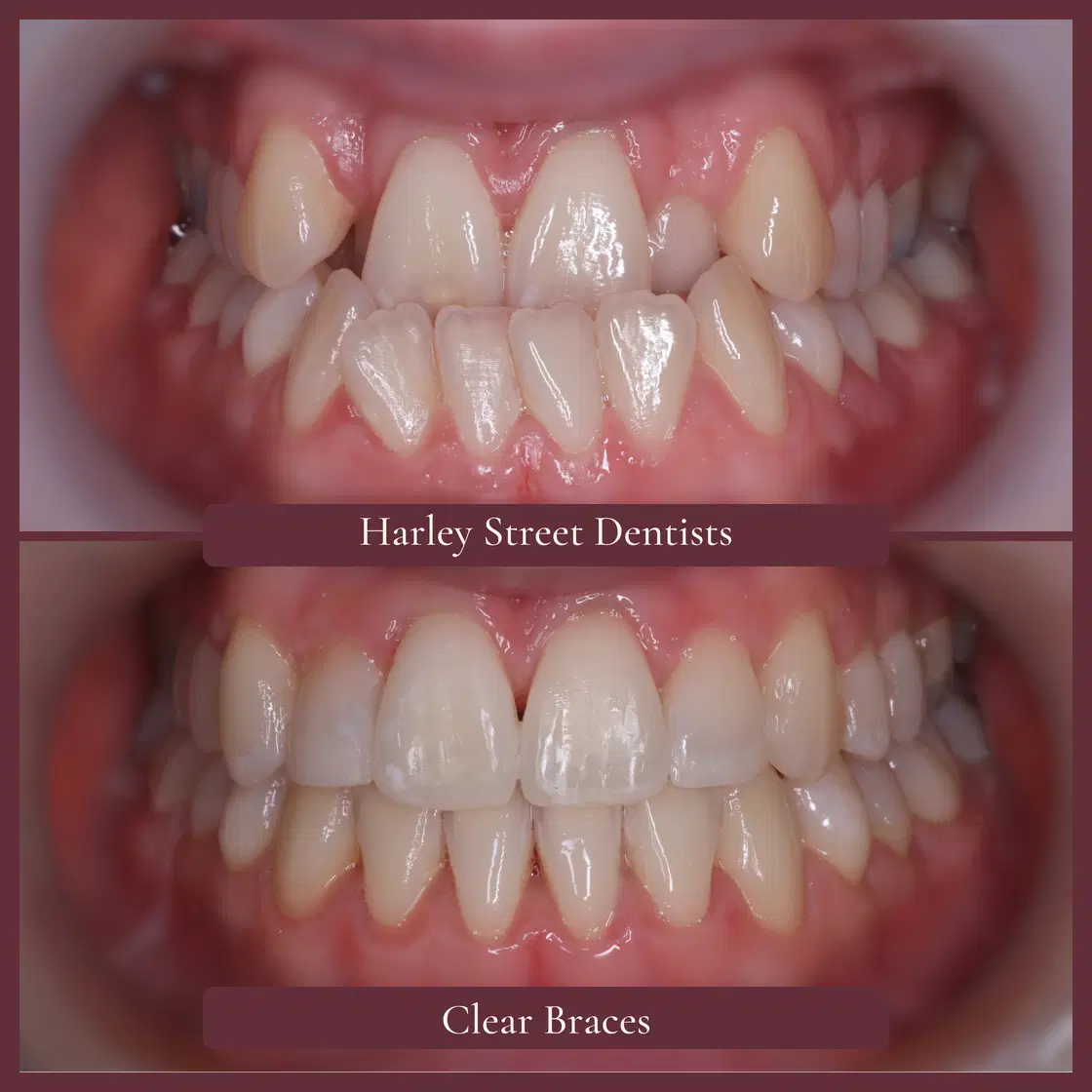
If you are comparing Invisalign with clear aligners, there is one useful distinction to start with: Invisalign is a brand of clear aligners. Clear aligners are the wider category of removable, transparent trays used to move teeth gradually. ClearCorrect is another branded system in this category.
So, which is better for your smile? The answer depends less on the name on the aligner and more on your teeth, your bite, the movements involved and the plan your clinician recommends. Here is what to know before you decide.
What are clear aligners?
Clear aligners are custom-made trays that fit closely over your teeth. You wear a series of trays, changing to the next one as directed by your dentist. Each set is designed to make small adjustments, gradually moving your teeth towards the planned positions.
They are removable, so you can take them out to eat and clean your teeth. That flexibility can suit adults who would prefer not to wear fixed brackets. But it also means you need to wear them as prescribed for treatment to stay on track.
Aligners are not suitable for every case. A clinical assessment is important to check your teeth and gums, understand your bite and decide whether the movements needed are appropriate for aligners. The British Orthodontic Society’s guidance on clear aligners is a helpful independent overview.
What is Invisalign?
Invisalign is a branded clear-aligner system. Your clinician assesses your teeth and bite, plans the proposed movements and, if you decide to proceed, provides a sequence of custom aligners made for your treatment.
The trays are removable for meals and cleaning. Some plans may also use small tooth-coloured attachments to help guide particular movements. Your clinician will explain whether these are relevant to your case and what to expect.
Invisalign is one option, not a treatment that is automatically right for everyone. You can read more about the approach at Harley Street Dentists’ Invisalign page.
Invisalign and ClearCorrect: what is the difference?
Invisalign and ClearCorrect are two different branded systems within the broader category of clear aligner treatment. Both use a planned series of removable trays to move teeth over time. The materials, planning software and treatment packages may differ, but the brand alone does not tell you which option is more suitable.
At Harley Street Dentists, we offer both Invisalign and ClearCorrect. You do not need to choose a brand before your first appointment. Your clinician can assess your situation and explain the recommended option, alternatives and expected treatment scope.
When you compare options, ask how the plan addresses the movements your teeth need, who will monitor your progress and what happens if your teeth do not follow the plan as expected. The treatment plan and clinical guidance matter alongside the aligner system.
How does treatment work?
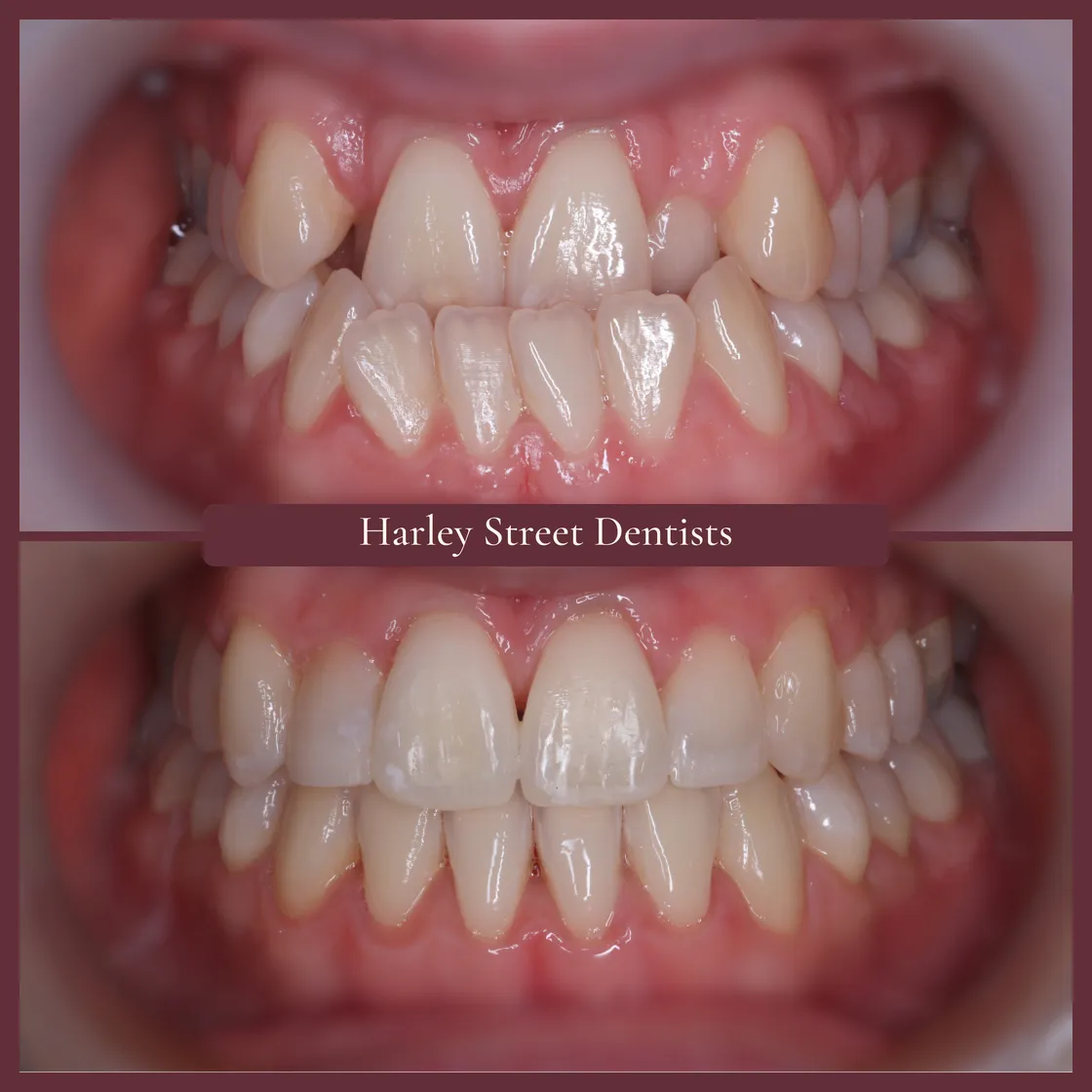
Your treatment starts with a conversation about what you would like to change, followed by a clinical assessment. Your dentist considers your oral health, alignment and bite, and discusses what aligners may be able to achieve. If treatment is suitable, you will receive a plan and a written estimate before deciding whether to proceed.
During treatment, you wear each aligner for the schedule your clinician gives you, attending reviews so progress can be checked. Aligners are generally worn full-time, day and night, except for meals and cleaning. The exact instructions, including when to change trays, depend on your plan. It is worth discussing how the routine will fit into your work, social plans or travel before you begin.
You may notice pressure or discomfort when you start a new tray. Your clinician can advise you about what to expect and what to do if a tray is lost, damaged or no longer fitting as expected.
Who might clear aligners suit?
Clear aligners may be an option for some cases of crowding, spacing and bite concerns. They are often considered when the movements needed are within the scope of aligner treatment and you feel comfortable committing to regular wear.
They may suit you if you:
- Prefer a removable appliance for meals and tooth-brushing.
- Would like an option that is less noticeable than many fixed braces.
- Can follow the wear schedule and attend review appointments.
- Have teeth and gums that are ready for orthodontic treatment.
More complex cases may need a different approach, or additional techniques alongside aligners. Severe crowding, some extraction cases, complex tooth movements or significant jaw discrepancies may require fixed braces or combined treatment. Your clinician can explain the options after assessment rather than assuming aligners are the right choice.

What is the treatment experience like?
With aligners, you take the trays out for meals, then clean your teeth before putting them back in. This can make brushing and flossing more straightforward than cleaning around fixed brackets. You will still need to keep up good oral hygiene and follow your clinician’s advice about cleaning the trays.
The trade-off is that progress depends on wearing the aligners for the prescribed time. Forgetting to put them back in, or wearing them inconsistently, may affect how well your teeth follow the plan and could alter treatment timing.
Your plan may also involve attachments or other steps to help achieve specific movements. Ask what these might look or feel like, how often reviews are expected and whether refinement trays could be needed. Teeth can move after orthodontic treatment, so retention is part of the process too. Your clinician should explain what retainers are recommended and how to care for them.
How much do Invisalign and clear aligners cost in London?
Fees depend on the treatment scope and the movements required. Harley Street Dentists’ published starting fees are £2,750 for Invisalign Lite and £3,750 for Invisalign Comprehensive. ClearCorrect is quoted individually. These are starting prices, not a substitute for a personal estimate.
A new patient examination costs £135. If you proceed with an agreed treatment plan, that examination amount is credited once against its cost. Your written plan should set out the proposed treatment and relevant fees. You can review the full fee guide or ask the team what is included in an estimate.
If you are searching for Invisalign London or clear aligners London, it can help to compare more than the headline price. Ask about the treatment scope, reviews, any additional procedures and the retention arrangements, so you can understand the full plan before making a decision.
Which option should you choose?
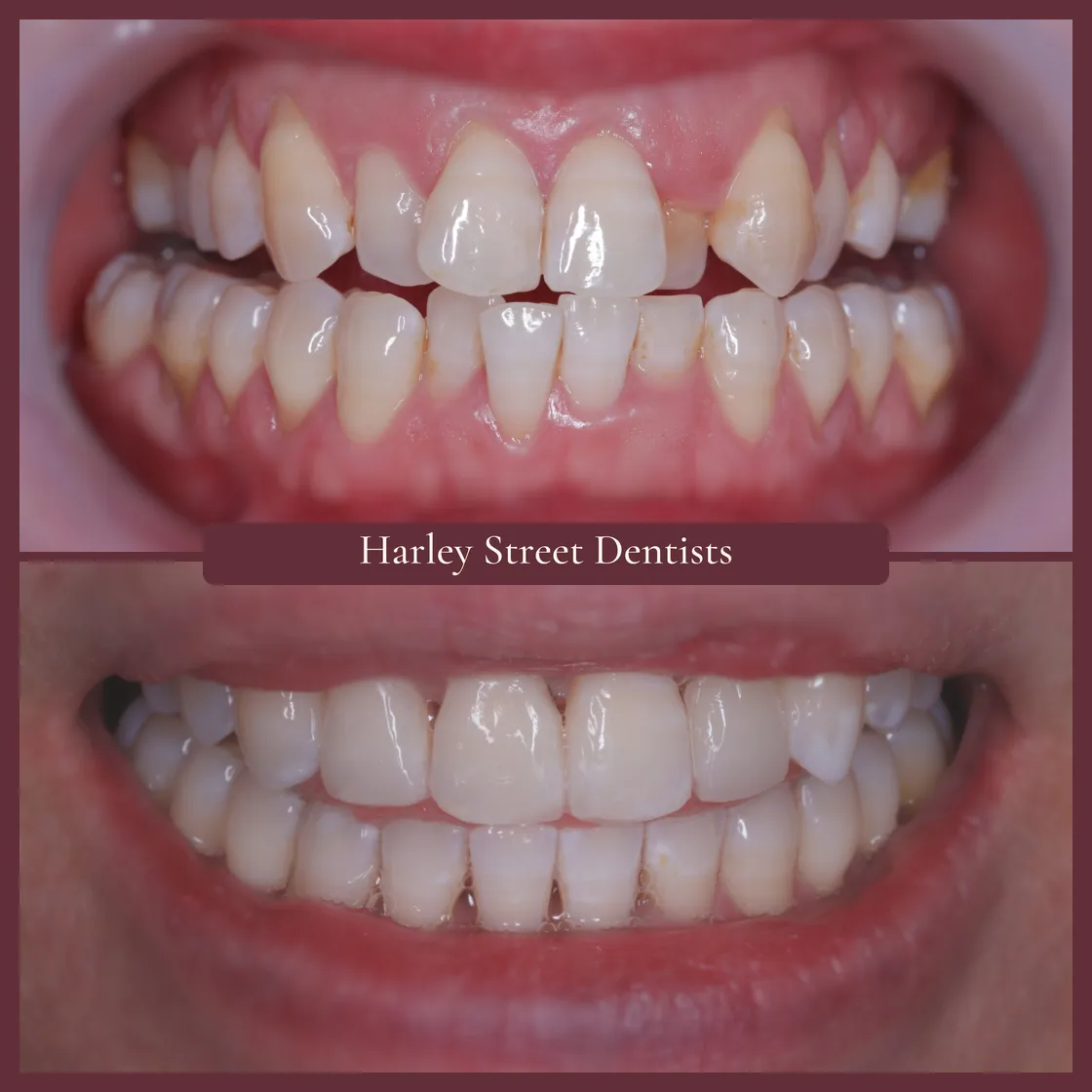
There is no single answer that applies to every smile. Invisalign is a clear-aligner system; ClearCorrect is another. The useful comparison is the plan recommended for your teeth, the movements it involves and how the care will be monitored.
At Harley Street Dentists, your first step is a conversation and an examination. The team can explain whether aligners may suit you, talk through alternatives and provide a written plan and estimate. If you are visiting London from overseas, the concierge can help coordinate practical arrangements; it is best to discuss timing and reviews before booking travel.
You can contact the team with a question or explore clear aligner treatment at Harley Street. There is no need to settle on a brand before you understand your options.
October 28, 2026